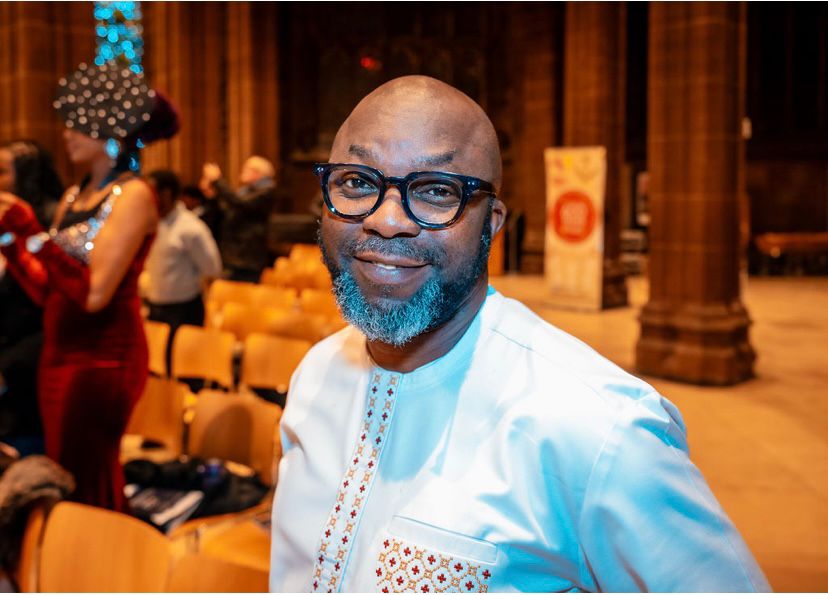
The International Migrants Day Cultural Hangout Festival held in London brought together people from diverse backgrounds to honour the journeys, resilience, and contributions of migrants living in the UK. Anchored on the theme “One City, Many Journeys – Honouring Migrants and Shaping a Shared Future,” the event became a vibrant celebration of unity, culture, and shared humanity. The festival witnessed full participation from migrant communities across several countries, including Nigeria, Ghana, Bangladesh, Botswana, Pakistan, as well as other migrant groups from Caribbean, East African, Middle Eastern, and European communities resident in the UK. Through music, storytelling, and cultural expression, the programme created a welcoming space where people gathered freely to celebrate without bias, fear, or intimidation. At the centre of the celebration was Kayode Bamgbose, popularly known as Kaybams, who emerged as the festival’s star performing artist. In addition to his dynamic stage performance, Bamgbose also played a curatorial role, having been appointed to source and recommend other artists who performed at the event. In this interview, he reflects on his performance, his spoken-word monologue on migration, and the responsibility of representing migrant stories through art SOLA OJO captured the interview.
Excerpts:
Kayode, what did it mean to you to perform at the International Migrants Day Cultural Hangout Festival?
It was deeply meaningful. Migrants’ stories are often spoken about, but not always truly heard. Performing on this platform felt like an opportunity to give rhythm and voice to those experiences the joy, the struggle, and the emotional weight that comes with leaving home in search of a better life.
Your performance combined drumming with a spoken-word monologue. What inspired that approach?
Music alone is powerful, but when you add words, it becomes testimony. The monologue was about the migrant journey the excitement of hope, the pain of separation, and the courage it takes to start again. The drums were not just accompaniment; they were speaking alongside the words, echoing emotions many migrants carry silently.
The impact of the monologue was strongly felt across the venue. Nazek, Head of Migrant Voice and a co-organiser of the festival, described the performance as deeply emotional and relatable. She noted that the words reflected how migrants often leave their home countries with joy and optimism, only to later confront unexpected challenges, struggles, and emotional burdens in their new environments. According to her, the performance captured the migrant experience with honesty and compassion, leaving many in the audience visibly moved.
The audience response was strong. What message were you hoping they would take away?
That migration is not weakness it is strength. People leave familiarity, family, and comfort because they believe in tomorrow. I wanted the audience to feel empathy, recognition, and respect for that courage.
In addition to performing, you were also appointed to source other artists for the festival. How did you approach that role?
Yes, I was very intentional. I looked for artists who didn’t just perform well, but who carried authentic stories. The goal was to reflect different cultures and journeys while staying true to the theme of unity and shared futures. It wasn’t about spotlight; it was about collective expression.
The resulting programme showcased a rich blend of cultures and artistic expressions, reinforcing the festival’s aim of bringing people together in celebration, understanding, and mutual respect.
How would you describe the importance of cultural festivals like this in a city like London?
London is built on migration. Festivals like this remind us that culture is not something migrants abandon it’s something they contribute. When people see and hear these stories, it builds understanding and connection across communities.
What role does community play in your work as an artist?
Community is central to everything I do. Whether I’m performing, mentoring, or collaborating, my aim is to use rhythm as a tool for connection and growth. Art should leave people stronger than it found them.
Finally, what’s next for you after this performance?
More storytelling, more collaboration, and more spaces where culture can speak honestly. There are many journeys still to be shared, and I’m grateful to be part of that conversation.
As the festival concluded, Kayode Bamgbose’s contribution stood out not only for its artistic excellence, but also for its emotional depth and cultural relevance. Through drum, voice, and collaboration, he helped create an atmosphere of unity and reflection, offering a powerful reminder that migration is a shared human story one that continues to shape London and the world beyond.
Source: New Nigerian Newspaper